
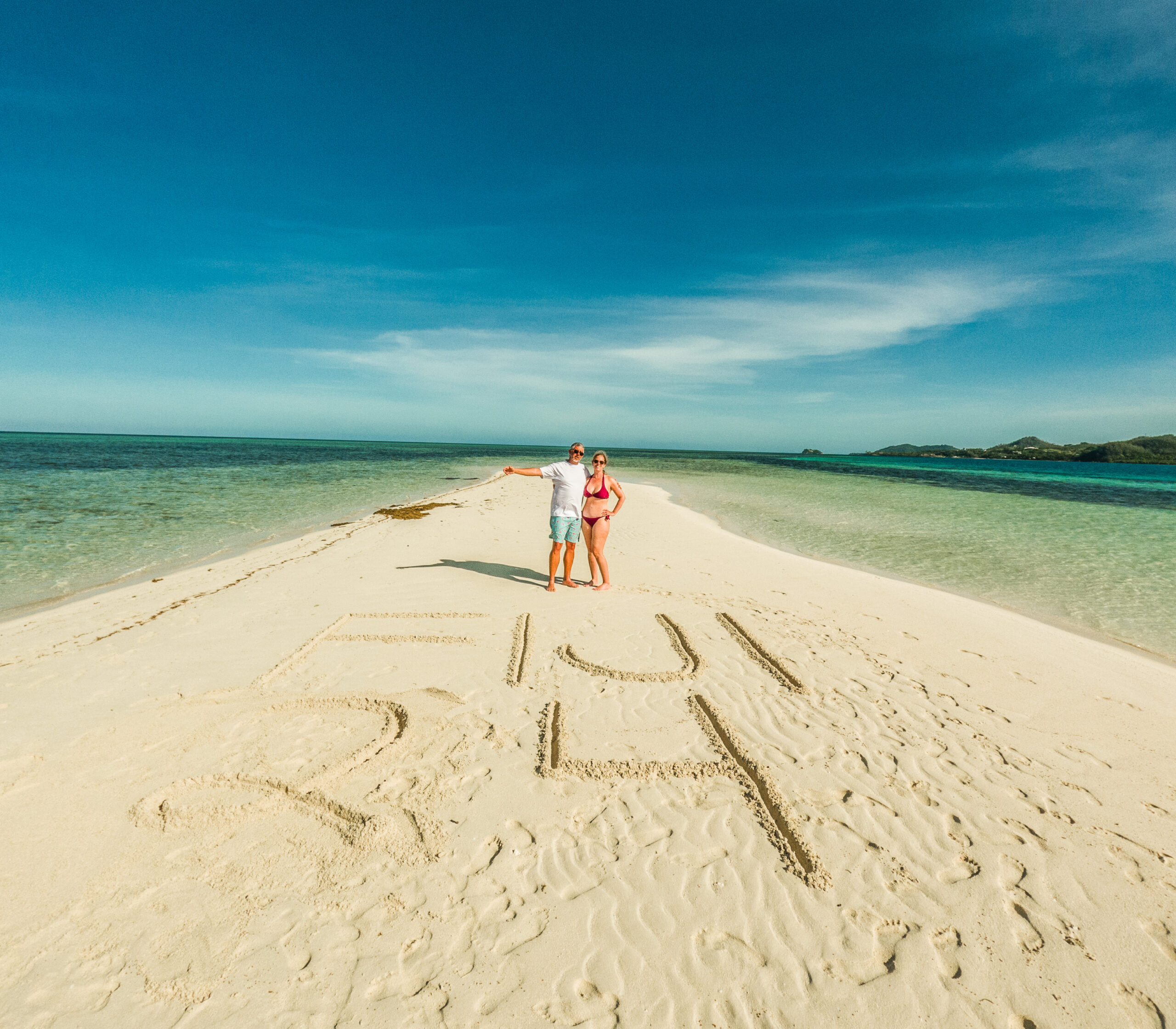
You’ve been thinking about it. Maybe for months, maybe years. Fiji keeps appearing on your feed, in conversations, in daydreams during particularly grey Tuesday afternoons.
But thinking about Fiji and actually getting there are two different things. And between outdated blog posts and conflicting advice, finding straight answers can feel harder than it should.
So here it is. Everything you actually need to know about travelling to Fiji in 2026 and 2027 – no fluff, no filler, just the practical information that gets you from “I’d love to go” to “I’m going”.
Getting There: Flights and Routes
Fiji’s main international gateway is Nadi International Airport on the western coast of Viti Levu. Almost all international flights land here, though some domestic connections route through Suva.
Fiji Airways is the national carrier and the most direct option from most major hubs. From Australia, you’re looking at roughly four hours from Sydney or Brisbane. From New Zealand, about three hours from Auckland. From the US, Fiji Airways operates direct flights from Los Angeles and San Francisco, with the flight taking around ten hours.
Fiji Airways recently joined the oneworld alliance, which means you can earn and redeem points through programmes like Qantas Frequent Flyer and American Airlines AAdvantage. Worth knowing if you’re collecting.
Other airlines serving Fiji include Qantas, Virgin Australia, Air New Zealand, and Jetstar from the Pacific region. From Asia, connections through Singapore, Hong Kong, and Seoul are increasingly common.
One thing worth noting: Fiji Airways is upgrading its Vancouver service to the larger A350 aircraft from September 2026 and increasing Hong Kong frequencies, so connectivity is actually expanding from certain markets even as other routes adjust.
Entry Requirements: Simpler Than You Think
This is the part most people overthink.
Citizens of over 100 countries including Australia, New Zealand, the US, UK, Canada, and most of Europe don’t need a visa. You get a visitor’s permit stamped on arrival for up to four months.
What you do need: a passport valid for at least six months beyond your departure date, a return or onward ticket, proof of accommodation, and sufficient funds for your stay. That’s it.
No COVID-related entry requirements remain as of 2026. No vaccination mandates for entry, though it’s always worth checking your own government’s travel health advice for recommended immunisations like typhoid and hepatitis A.
Arrive at immigration with your documents ready, answer a few friendly questions, and you’ll be through in minutes. The Fijian welcome starts the moment you land.
When to Go: Seasons and Timing
Fiji has two seasons. The dry season runs from May to October. This is peak tourist time for good reason: temperatures sit comfortably between 23°C and 27°C, humidity is lower, skies are clearer, and the ocean is calm. If you want guaranteed postcard weather, this is your window. It’s also the best time for diving and snorkelling, with underwater visibility at its peak.
The wet season runs from November to April. Temperatures climb slightly, humidity increases, and you’ll get tropical downpours usually in the afternoon, usually short, and usually followed by sunshine. The upside? Significantly lower prices, fewer tourists, and landscapes at their most lush and dramatic. Many travellers visit happily during this period.
Cyclone season overlaps with the wet season, peaking between January and April. Fiji averages two to three cyclones per season, though many don’t hit tourist areas directly. Modern forecasting gives five to seven days warning, and all reputable operators have protocols in place. Travel insurance covering weather disruptions is essential if you’re visiting during this window.
The sweet spot for most travellers? May to June or September to October. You get the dry season weather without the peak season crowds and prices.
What It Costs: Budgeting Realistically
Fiji can be as affordable or as luxurious as you choose. The currency is the Fijian Dollar (FJD), and at the time of writing, 1 USD buys roughly 2.2 FJD.
Budget travellers can find backpacker lodges and guesthouses for 80-150 FJD per night. Mid-range resorts typically run 300-600 FJD. High-end and private island experiences start from 1,000 FJD upward.
Meals at local restaurants cost between 15-40 FJD. Resort dining is naturally more. If you’re self-catering or eating at local markets, you’ll spend less than you’d expect.
Domestic flights between islands run 200-500 FJD one way depending on the route. Water taxis and ferries are cheaper alternatives for shorter crossings.
The biggest variable? How you get between islands. Fiji’s 300+ islands are its greatest asset, but inter-island travel adds up if you’re hopping frequently. A sailing charter, like our itineraries at Grand Bleu Fiji, removes that variable entirely. You’re moving between islands with your accommodation, meals, and activities included.
Health and Practical Essentials
Tap water in resorts and urban areas is generally treated, but it’s advisable to bring a reusable bottle that you can fill with boiled water. Fiji, like many places, has a problem with plastic waste, so we always advise limiting bottle water purchasing as much as possible to protect our island home. Most island resorts in the Mamanuca and Yasawa islands have safe drinking water due to desalination plants.
Apply sunscreen relentlessly – the tropical sun is stronger than you think, especially on overcast days where we tend to forget about the sun.
Mosquitoes are present year-round. Dengue fever and Zika exist in Fiji, so pack repellent and wear loose, light clothing in the evenings. Most island resorts treat mosquitoes each week. It’s a precaution, not a panic as most visitors never have an issue.
Medical facilities in Nadi and Suva are adequate for routine needs, but comprehensive travel insurance with medical evacuation coverage is non-negotiable. Some outer islands are hours from the nearest hospital.
Mobile coverage is decent on the main islands and throughout the Mamanuca and Yasawa islands, however, it can be patchy in some spots. If you’re heading to remote areas where Fiji gets magical, we recommend embracing the disconnection.
Why 2026 and 2027 are Good Years for Fiji
Beyond the practical logistics, there’s a reason Fiji feels especially relevant right now.
With global uncertainty dominating headlines, more travellers are seeking destinations that feel genuinely safe, genuinely remote, and genuinely restorative. Fiji ticks all three. Its geographic isolation in the South Pacific means it sits far from the world’s geopolitical tensions. Its people prioritise community, warmth, and presence in a way that feels increasingly rare.
Your Next Step
You now have everything you need to make an informed decision about Fiji. The practicalities are handled. The only thing left is commitment.
Whether you’re planning a resort stay, an island-hopping adventure, or a sailing charter through Fiji’s most pristine waters, the hardest part is booking the flight. Everything after that is easy.
Explore our sailing itineraries and discover what a week in Fiji’s waters actually feels like. No crowded resort pools. No buffet lines. Just open ocean, hidden islands, and the kind of quiet that’s becoming harder to find.
Frequently Asked Questions
Do I need a visa to visit Fiji?
Citizens of over 100 countries including Australia, New Zealand, the US, UK, and most of Europe do not need a visa. You receive a visitor’s permit on arrival valid for up to four months. You’ll need a passport valid for six months beyond your departure date, a return ticket, and proof of accommodation and funds.
What’s the best time of year to visit Fiji?
The dry season from May to October offers the most reliable weather, with lower humidity and calm seas. The wet season from November to April is warmer and more humid with occasional heavy showers but offers lower prices and fewer crowds. The shoulder months of May-June and September-October are an excellent compromise.
How do I get to Fiji?
Most international visitors fly into Nadi International Airport. Fiji Airways operates direct flights from Sydney, Brisbane, Auckland, Los Angeles, San Francisco, and several other hubs. Qantas, Virgin Australia, Air New Zealand, and Jetstar also serve Fiji from the Pacific region.
Is Fiji expensive?
It depends on your travel style. Budget accommodation starts around 80 FJD per night, mid-range resorts from 300 FJD, and luxury options from 1,000 FJD upward. Local meals cost 15-40 FJD. The biggest variable is inter-island transport, which a sailing charter can simplify by combining transport, accommodation, and meals into one experience.
Is tap water safe to drink in Fiji?
Tap water in major hotels and urban areas is generally treated, but boiled or filtered water is recommended, especially on outer islands. Most resorts, or a sailing charter with us, provide filtered drinking water for guests.
What should I pack?
Light, breathable clothing in natural fabrics. Reef-safe sunscreen. Insect repellent. A modest cover-up for village visits (shoulders and knees covered). Reef shoes for coral walking. And honestly? Fewer devices than you think you need.
Do I need travel insurance?
Absolutely. Comprehensive travel insurance with medical evacuation coverage is essential, particularly if you’re visiting outer islands where medical facilities are limited. If travelling during cyclone season, ensure your policy covers weather-related disruptions.